
TRENDING: Bring back the 90s & message for the next person
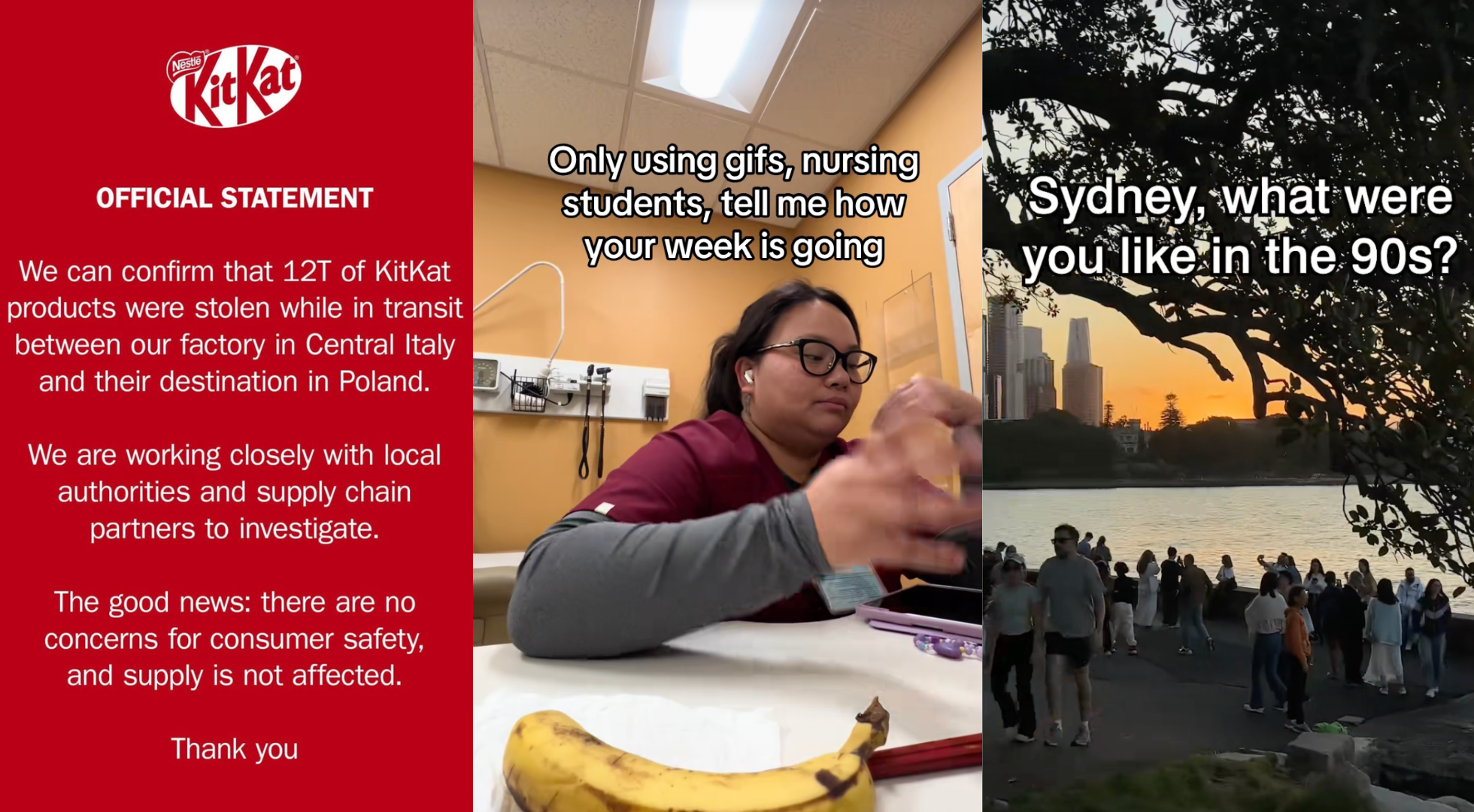
90S TREND
This trend sees creators reflecting on what they were like in the 90s, often using throwback photos, home videos, or recreations paired with nostalgic music and on-screen text. The content usually leans into humour or sentimentality, highlighting childhood personalities, fashion choices, or hobbies that hint at who they are today. It taps into nostalgia and storytelling, which makes it highly relatable and shareable, especially as audiences continue to romanticise past decades.
Brand opportunities
Brands can use this trend to showcase their history, early products, or what their brand "would have been like" in the 90s. The funny thing about some of the other celebrity versions is Elijah Wood showing photos of Daniel Radcliffe, which is a playful spin. This could include throwback packaging, archival content, or playful recreations using staff members. It's also a strong opportunity for legacy brands to highlight longevity and evolution, while newer brands can lean into nostalgic aesthetics to connect with millennial audiences.
"DO YOU HAVE A MESSAGE FOR THE NEXT PERSON?"
This workplace trend plays out like a chain reaction. One colleague asks another, "Do you have a message for the next person?" The person, usually confused, responds with something like "what?" — which then becomes the exact message delivered to the next colleague. The cycle continues around the office, with each person passing along the increasingly nonsensical message. The humour comes from the confusion, timing, and watching the same reaction ripple through different people.
Brand opportunities
This format is perfect for showcasing team culture and personality within the workplace. Brands can film quick interactions between staff members, letting the message evolve as it moves through different departments or roles. It's simple to produce, highly repeatable, and highlights the people behind the brand while tapping into relatable office humour.
EXPLAIN YOUR JOB IN GIFS
This trend features videos with text on screen asking people to explain what their job is using only GIFs. Creators then respond with a sequence of GIFs that capture the reality, humour, and chaos of their day-to-day roles — from feeling productive and organised, to navigating last-minute requests or celebrating small wins. The format is simple, visually engaging, and highly relatable across industries, making it easy for audiences to understand different roles while encouraging them to share their own experiences.
Brand opportunities
Brands can use this trend to showcase team personalities, highlight behind-the-scenes workflows, or explain what different roles within the company actually do. It's particularly effective for employer branding, recruitment, or humanising corporate teams. Brands can also tailor GIFs to reflect industry-specific challenges or wins, helping audiences connect with the people behind the brand while creating light-hearted, shareable content.
BRANDS KILLING IT
KITKAT SCANDAL
This trend emerged after news broke that 12 tonnes of KitKat chocolate — around 413,000 bars — were stolen from a truck travelling from Italy to Poland. The unusual nature of the theft quickly went viral online. What made the story even more shareable was KitKat's humorous response, joking that thieves had "taken the message too literally" and "made a break" with the chocolate. The bizarre "chocolate heist" quickly turned into a meme, with social media users and brands posting jokes about someone literally "taking a break." Major brands including Microsoft, KFC, and Domino's joined in with playful posts, turning the incident into a widespread social media moment.
Brand opportunities
Brands used the trend by creating playful posts referencing stolen stock, missing products, or "taking a break" too literally. Because the story was light-hearted and already meme-ified by KitKat itself, it created a safe opportunity for brands to join the conversation, show personality, and capitalise on a trending cultural moment. The result was a wave of reactive marketing content that turned an unusual news story into a viral brand meme moment.
NEW FEATURES ON SOCIALS
INSTAGRAM NOW LETS YOU REARRANGE CAROUSELS
FEATURE
This update allows users to rearrange carousel posts after they've already been published. Creators can now long-press and drag images or videos to change the order within a carousel, giving them more flexibility to adjust storytelling, prioritise stronger visuals, or respond to performance after posting. Previously, users had to delete and re-upload an entire carousel to make changes — making this a highly requested feature that gives creators more control over how their content is presented.
Brand opportunities
Brands can use this update to optimise content performance by moving high-performing visuals to the front, adjusting storytelling based on audience response, or updating campaigns without losing engagement. It also allows teams to be more agile with reactive content, test different creative approaches, and refine educational or product-led carousels over time — making content more strategic and performance-driven.
