WHAT’S ON THE FEED THIS WEEK?
‘I’M SO SORRY’ AI PHOTO TREND
Creators are using AI tools to generate images of how they supposedly looked in a particular situation, such as a childhood Halloween costume, a school formal or a questionable haircut. They post the results as a four-slide carousel that looks like genuine throwback photos. Nothing on the slides says AI was involved, so the joke is that viewers assume the photos are real, and the “I’m so sorry” caption sets up a confession.
It works because it plays on the gap between what looks real and what is. The format is low effort for creators, and the surprise makes it shareable. It has also sparked debate in the comments about which photos are real.
Brand opportunities
Brands can use it for lighthearted “what we looked like” content: the team as kids, the founder’s first business idea imagined as a 90s ad, or the product’s “origin story” in four slides. It works best when the joke is on you, not on your customers. Keep the images harmless and obviously playful. Be careful with disclosure. Many platforms require AI-generated content to be labelled, and audiences are quick to call out brands that blur real and fake. Label the post as AI-generated, or reveal it in the final slide or the caption, so the surprise is the joke rather than a deception. Avoid using real customers’ or staff members’ likenesses without their consent.
GAY HALLOWEEN
“I hate gay Halloween” is back for a third big year. People post obscure, queer-coded costumes with captions like “I hate gay Halloween, what do you mean you’re dressed as...” and a very specific internet/niche reference. The joke is that only a certain kind of fan will get it, and the “hate” is entirely ironic. This year’s posts include costumes as small as a fingernail.
It resonates because it celebrates deep-cut fandom and the pleasure of being in on the joke. The comments fill with people recognising each other’s references.
Brand opportunities
The lesson is the in-joke, not the rainbow. Brands can celebrate niche knowledge in their own category, like the café that knows exactly which regular orders a four-shot oat flat white, or the gym that names its machines. Invite customers to share their most obscure references and feature the best.
If you speak to the LGBTQ+ community directly, do it with queer creators and staff rather than a logo recolour, and only if you already show up for them year-round. Audiences spot rainbow-washing quickly.
‘IF YOUR GIRL…’ TREND
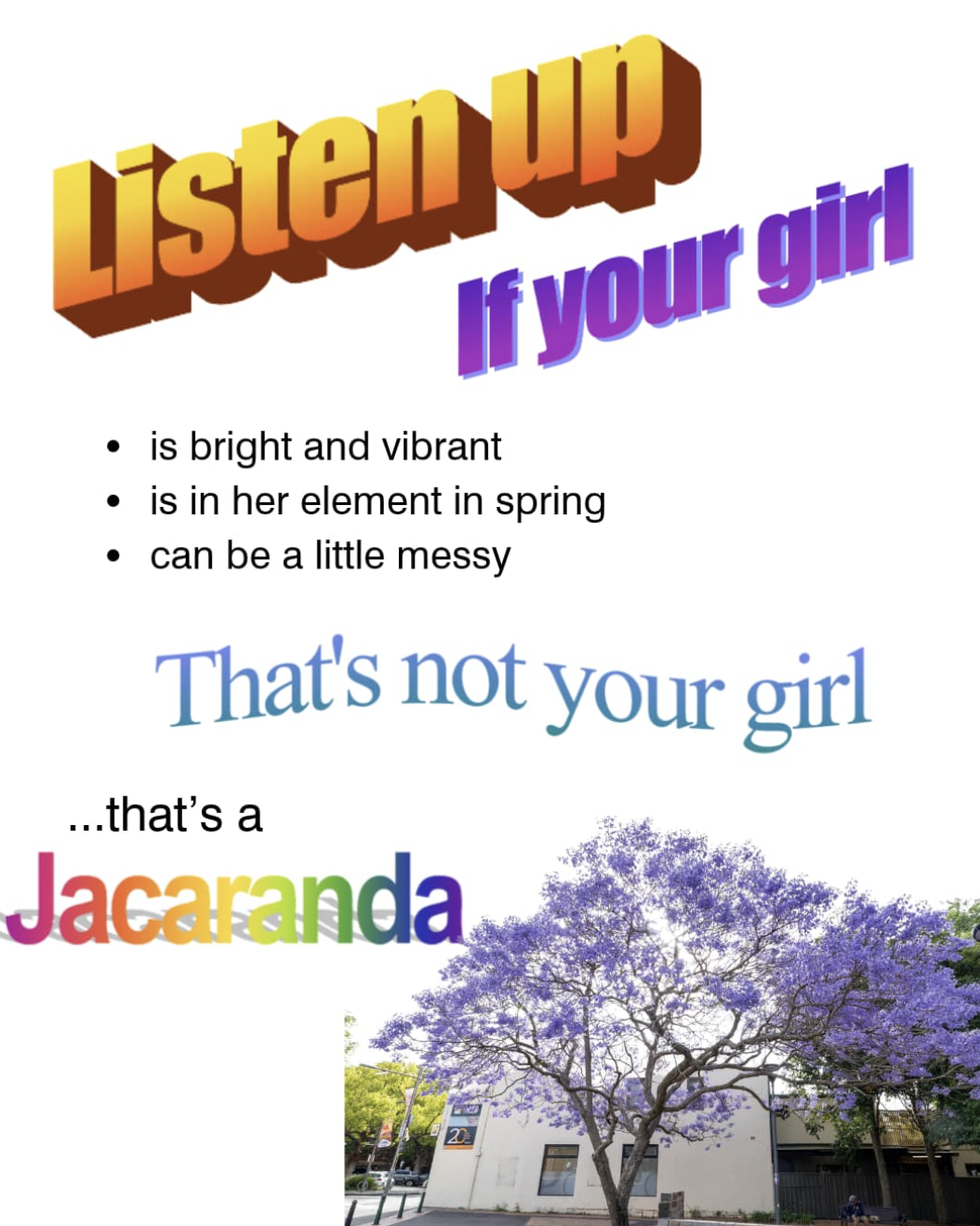
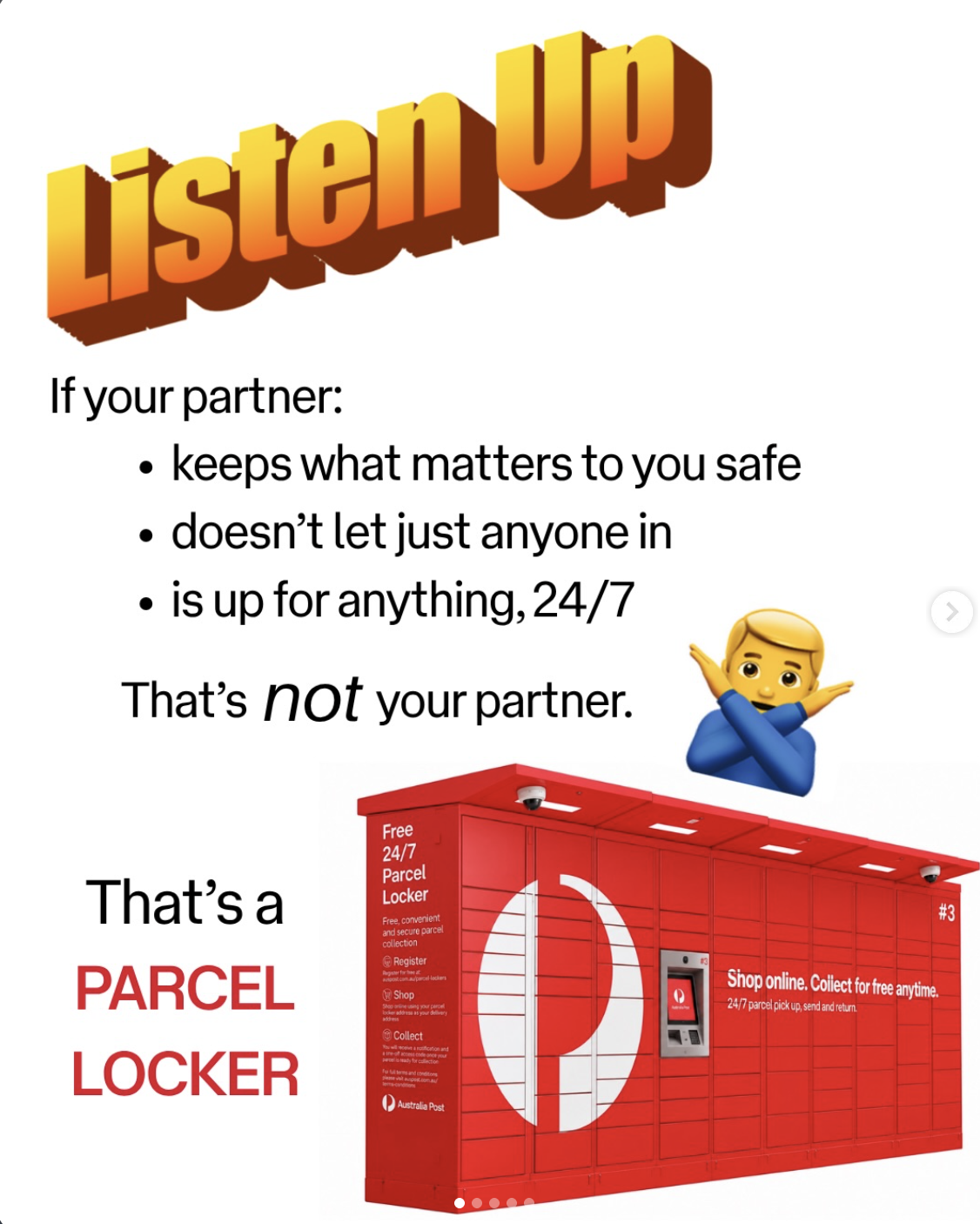
Spring has delivered an Australian twist on the “Fellas, if your girl” meme. The format lists a few traits, like bright and vibrant, in her element in spring, a little messy, then flips with “that’s not your girl, that’s a jacaranda”, usually with a photo of the tree in bloom. The original template dates to 2019 and is a bait and switch: the traits seem to describe a person but point to something else entirely. Messina, Aus Post, and City of Sydney have both joined in. A funny spin on traits that match with someone you’re seeing but also something silly.
It works because it’s hyperlocal and seasonal. Anyone who’s watched purple petals pile up on the footpath gets it immediately.
Brand opportunities
This is a template you can borrow in about ten minutes. List three traits that fit your product or place, then reveal it as the punchline: the “that’s not your girl, that’s a flat white” post, or the “that’s not your mate, that’s the 86 tram” post. Seasonal Aussie references (jacarandas, Melbourne Cup, the first 30-degree day) give you built-in relevance. Clunky, over-designed type is part of the charm, so skip the brand template
BRANDS DOING THINGS
AUSTRALIA POST VICTORIA’S SECRET TREND
When TikTok filled up with Victoria’s Secret Fashion Show content, Australia Post staged its own runway show. A team member in the red uniform strides through a parcel locker area, with a postage bag strapped to their back and covered in yellow stickers, so it reads as a pair of wings. The on-screen text sets the tone: “Not all angels walk the runway, some of us gotta hold it down at the post office.”
It works because everything in the frame is genuinely theirs. The wings are real postage bags and stickers, the runway is a branded locker bay, and the model is a real team member doing the walk with a straight face. The caption turns the brand’s everyday job into the punchline, so the post feels like part of the trend rather than an ad borrowing it. There’s no AI and no big production, just a clever idea and a phone.
Brand opportunities
The lesson is to build the trend out of what you already have. Before you film, ask what in your workplace could stand in for the props: packaging, uniforms, tools, signage. Australia Post didn’t need a costume budget, because their product was the costume. The Aus Post account and their secondary ‘life and careers’ @auspostlife account do well at showing their humour and brand without being too promotional and putting their own creativity on a trend.
Give the trend your own punchline too. One caption that connects the format to what you do (here, “some of us gotta hold it down at the post office”) makes it unmistakably yours. Cast real staff where you can, and move fast, since trend windows are measured in days.
SOCIAL UPDATES
INSTAGRAM TO START INTRODUCING VIDEOS UP TO 90 MINUTES
Announced Monday 26 Oct. It began in Brazil and is now expanding to a small test in the US, so it is not available in Australia yet. Creators can upload up to 90 minutes of video under a “Features” label. A companion tool, “Clips as Reels”, turns parts of a long video into Reels that link back to the full thing. Viewers can also save the long video to watch in the Instagram TV app. Meta says it’s too early to share a long-term monetisation model. It is a direct push at YouTube, and it fits well with a “brand opportunities” angle: repurposing long-form content into Reels, and planning for a longer-form Instagram presence.