WHAT’S ON THE FEED THIS WEEK?
RANKED LOBBY
This trend of a ‘ranked lobby’ is a term used to describe a high-stakes, attractive, or intimidating group of people based on their strengths and weaknesses. Creators are now using it to rank sterotypes of people e.g gym bros, finance bros, etc. Each person gets an archetype name on screen, followed by a strength and a weakness. One example reads “Finance bro”, with the strength “Hamptons summer home” and the weakness “boarding school trauma”. The humour comes from specificity. Every stat is a small, oddly precise observation that is half compliment and half roast, and the person on screen plays it deadpan. It’s quick to film, easy to follow without sound, and it invites viewers to tag their own friends as the character.
Brand opportunities
Halloween makes this trend easy to adapt. Turn your team into the cast: the “Monday Manager”, the “Inbox Zero Intern”, the “Account Director” with a strength of “knows every client’s birthday” and a weakness of “one more quick call”. Add costumes or a spooky edit for the Halloween angle.
You can also rank your customer types. A café could introduce the “Oat Flat White Regular” or the “Laptop Squatter”, and a fitness brand could do the “5am Club” member. Keep every weakness affectionate, and let the staff and customers in the video choose their own stats so the joke stays friendly
GOT MY SPARK BACK
Creators film themselves in an everyday setting, often walking or gesturing in a street, with on-screen text announcing a personal comeback: “Got my spark back”. A bracketed line in smaller text then reveals what actually revived them, with a deliberately ordinary punchline. In the example doing the rounds, it’s “(returned to my local bar again)”. The joke is the gap between the dramatic setup and the ordinary habit. It’s relatable, it reads in a second, and viewers share it by adding their own version in the comments.
Brand opportunities
Your product is already someone’s spark. Have staff or customers announce a comeback with the reveal being your product or a routine around it: “Got my spark back (the 3pm hot chip order)”, “(finally rebooked the dentist)”, “(a decent night’s sleep on new sheets)”. It suits venues, food and drink, retail and services where repeat habits matter. Film it on location, keep it to a single take, and keep the reveal specific to your category. Specific beats clever.
HALLOWEEN - NEXT WEEK!
With Halloween a week away, people are posting their costumes, and the ones getting traction are the niche, meme-literate ones. Instead of a witch or a vampire, creators show up as an inside joke only part of the internet will get: a viral clip, a half-forgotten sound, a recognisable meme face. The caption often dares the audience to guess the reference. It works because it’s a built-in talking point. The reveal is visual and quick, the comments fill with people who got the joke (and people asking what it means), and the creator doesn’t need to explain anything. A niche costume rewards the in-crowd and makes everyone else curious.
Brand opportunities
Dress your team as the memes your audience loves. Pick references from your own category’s culture, such as a customer in-joke, a product name that became a meme, or something from your own comments section. Film a short “guess the costume” reveal and ask followers to get it right in the comments. You can also hand the format to your customers. Ask them to share their most niche meme costume, and repost the best ones to your Stories with a small prize or a shoutout. Keep costumes respectful and avoid anything that punches down, and check that any meme you pick is still current before you post, because a stale reference falls flat.
BRANDS DOING THINGS
MESSINA’S CUSTOMER STORY
Gelato Messina are experts in the low-fi style of content and not taking themselves too seriously. Along with sharing rogue info about their customers, team received a long email from a customer in Germany. Her partner is a “boat hitchhiker” sailing his way along the Australian coast, and Messina gelato had become a must-have stop on the journey. She asked whether staff at the South Brisbane store could surprise him on 13 October. He would get three free scoops from a prepaid voucher, delivered with the line, “Your girlfriend sent you a little surprise and asked us to tell you that she misses you very much.”
The team admit they thought it was a rogue AI agent or a scam, and they quietly ignored it. Then she followed up. They rang the Brisbane store to warn them, and the team in Brisbane went all in. The store staff wore sticky notes reading “Are you Chris...?” so they wouldn’t miss him. He arrived, put a name tag on himself, ordered three scoops of Super Dulce and lost his mind. The team posed with him for photos and named him their “new favourite celebrity”.
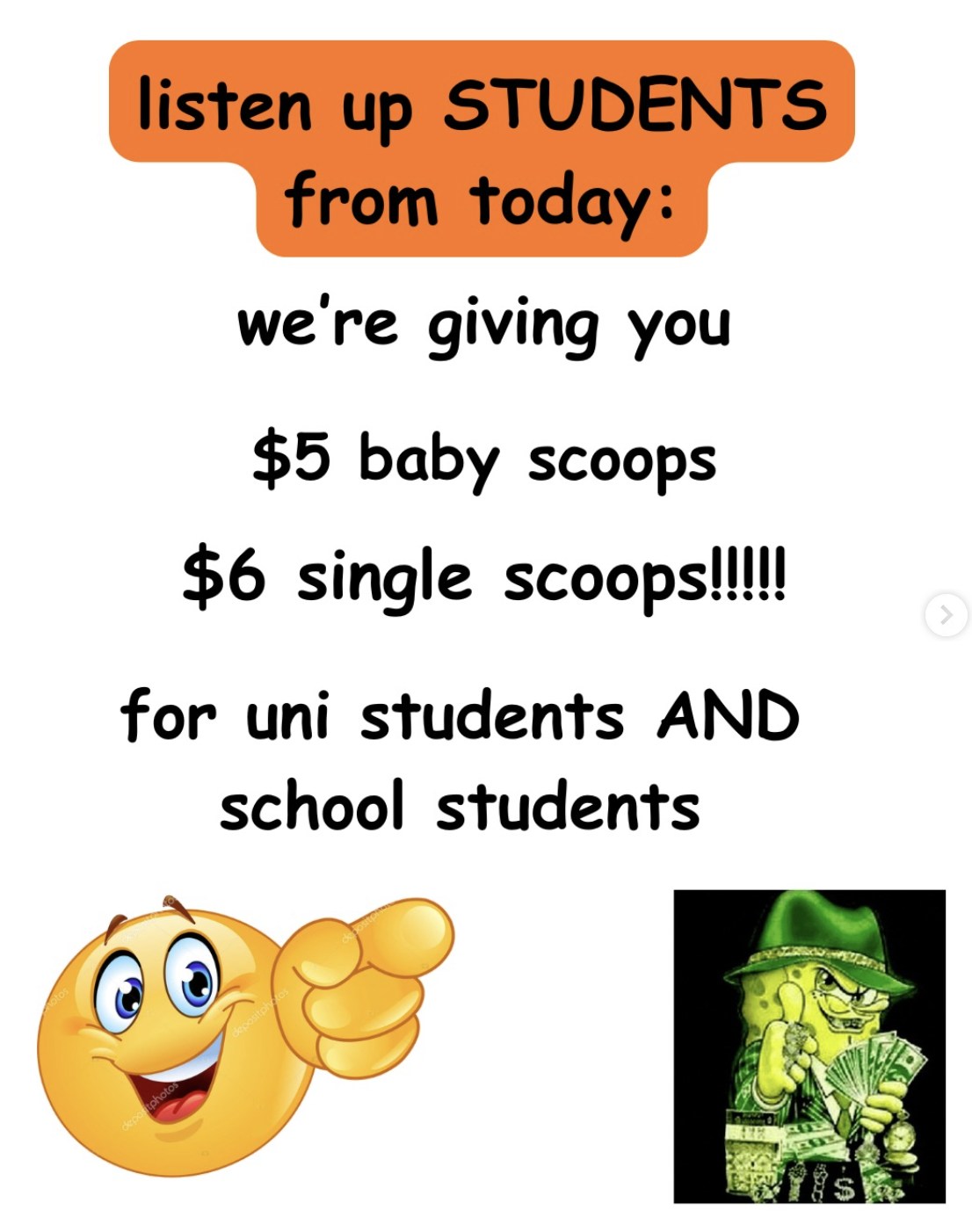
Messina told it as a “customer storytime” carousel: a white background, meme-style Comic Sans captions and screenshots of the real email, the follow-up and the internal chat. It earned more than 21k likes. The caption lines, such as “buckle up bc this is a long ass email” and “we legit thought this was a rogue ai agent”, read like a friend retelling a story. The team’s own doubts and the playful asides (“why did she bold ‘boat hitchhiker’?”) add to the charm.
Brand opportunities
Your customers send you stories already: emails, DMs, reviews, odd requests. Screenshot the best one (with names redacted and permission where needed) and tell it as a storytime carousel, with plain-text captions that sound like your team and not your brand voice. Messina’s best moments are the honest ones, like admitting they nearly ignored the email.
The real win here is the service, not the format. A small, human gesture, like a sticky note, a heads-up call to another store or a free scoop, gave them a story worth telling. Look for moments where your team can go one step beyond, then document it. If you share a customer’s story, check you have permission first and keep personal details out.
SOCIAL UPDATES
YOUTUBE AND ALIEXPRESS
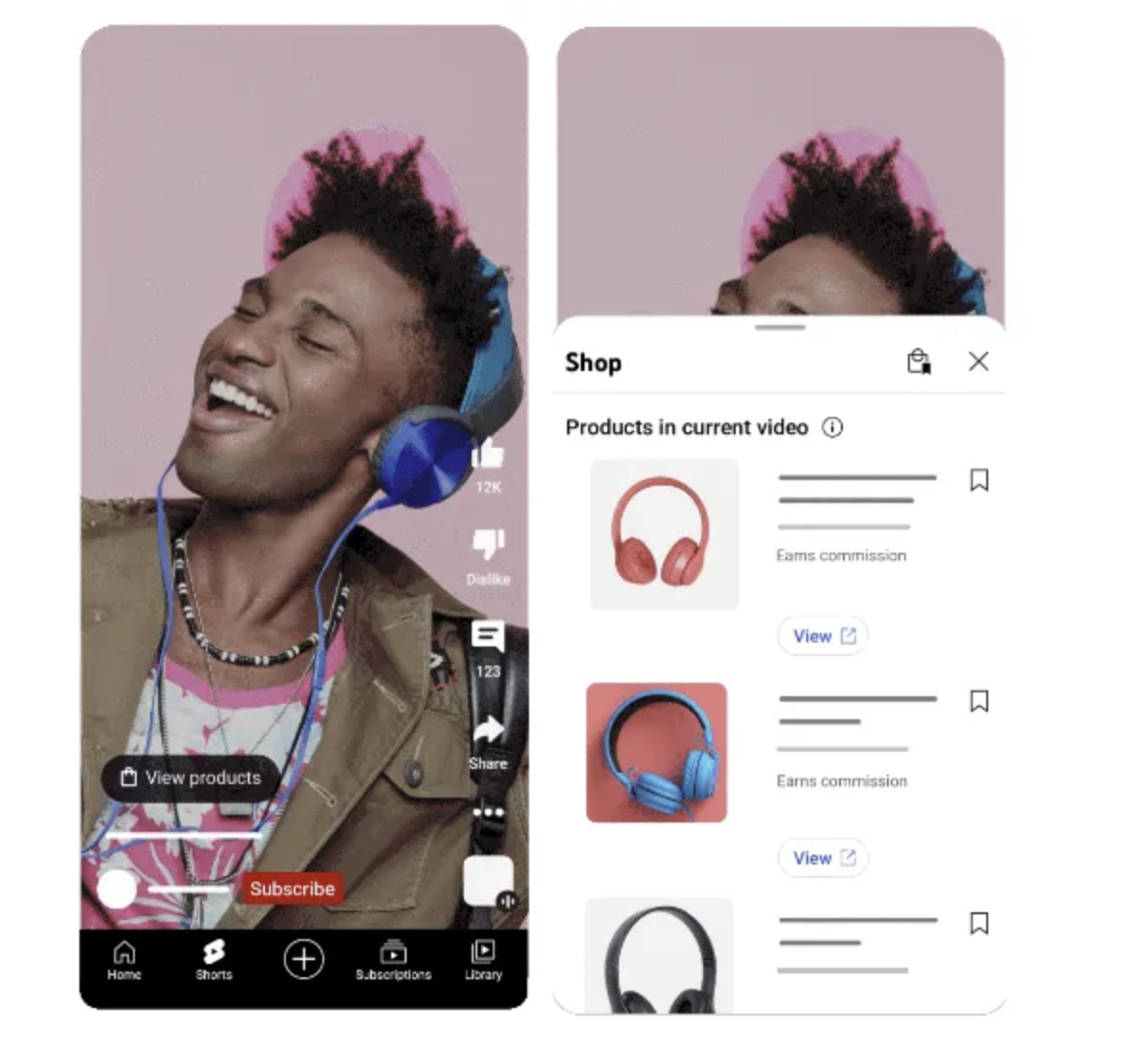
YouTube has added AliExpress to its shopping affiliate programme, announced on 20 October. Eligible creators can find and tag AliExpress products in YouTube Studio, across long-form videos, Shorts and livestreams. Viewers click through to AliExpress to buy, and creators earn a commission on each sale. Categories include consumer electronics, sports and outdoor, home and living, and lifestyle, and creators can use bestseller and trending data to choose products. The partnership launched in South Korea in March and is expanding to the US, Brazil, the UK and Germany in phases. Australia isn’t mentioned. It’s another sign that YouTube wants to be a shopping channel as well as a viewing one. Creators now have a commission reason to feature products, which makes product-led content a bigger part of the platform.